
Payeye Transforming Networks addresses the root causes of local conflicts- particularly competition over scarce natural resources, ethnic and political marginalization, poor governance and weak institutions, socioeconomic inequality, land tenure disputes, indigene vs settler- to foster sustainable peace.
Payeye acts as culturally trusted intermediary, filling gaps left by formal judicial or security structures that might be perceived as ineffective or biased.
Significant impacts of Payeye Transforming Networks:
A locally-based conflict transformation nonprofit organization, PTN creates a local peace dividend, leading to stability sustainable and development.
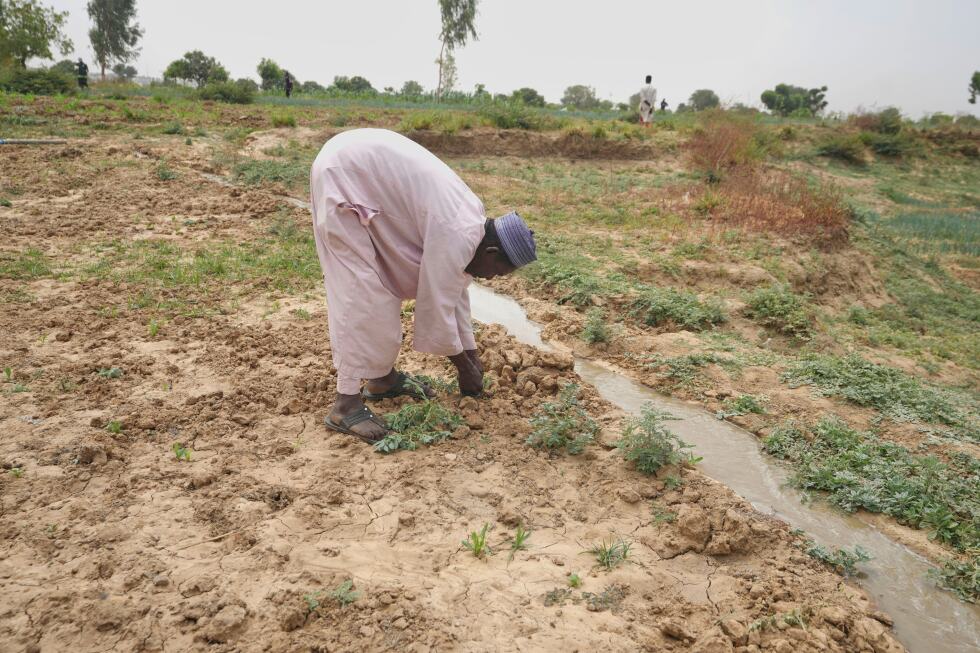
Payeye Transforming Networks is a local initiative to real need for localized, culturally relevant solutions / services to escalating or persistent disputes.
Measuring the impact in conflict resolution is tricky, because we are dealing with changes in behavior, trust, and social systems. Payeye Transforming Networks working in conflict resolution and transformation should think in terms of layers of impact: immediate outputs, intermediate outcomes, and long-term societal change.
We can ground our measurement in the a framework like Theory of Change. For example, through mediation & dispute resolution sessions, peace education, and conflict workshops, we can expect the changes such as reduced violence, improved dialogue…
We can also measure tangible outputs and some outcomes, such as: number of conflicts mediated or resolved, participation rates ( landowners, women, youth, community leaders).
Conflict transformation is deeply human. Payeye Transforming Networks can use interviews and focus groups, story-based methods ( e.g., “Most Significant Change” approach)
Community perception surveys will be conducted ( trust between groups, safety, inclusion).
Concepts like Social Cohesion being central for Payeye TransformingNetworks, we can measure: sense of belonging across communities, trust in local institutions or communities.
We can monitor sustainability and long-term transformation by tracking continued use of mediation mechanisms, recurrence of conflict over 1-5 years.